How to Reduce Construction Costs?
Last Updated:May 5, 2026
Reducing construction costs is critical to maintaining profitability and ensuring that the project will be successful in today’s competitive market. The savings must be substantial without reducing quality or compromising safety. Texas’s construction market is growing tremendously, especially in urban centers like Austin, Dallas, and Houston. It requires a multi-layered approach across every project phase, from design to post-construction. With innovative techniques, efficient technology, and optimized resource allocation, construction professionals can unlock opportunities for savings that can be reinvested into other critical aspects of the project.
This guide will help you explore strategies that are used in Texas construction to cut costs based on smart planning, technology adoptions, and the right kind of materials selection, ensuring that all your projects are financially viable and deliver remarkable results that ensure client satisfaction.
Optimizing Designed Efficiency and cost Control
Contractors can save much money by choosing efficient building techniques and reducing waste. A well-thought-out overall cost of a construction project. A well-thought-out, efficient design can significantly impact short-term construction costs and long-term operational savings.
Lean Construction Principle
Lean design principles support the elimination of waste in the design and construction processes. This includes not consuming unnecessary square footage, diminishing the complexity of building systems, and designing to use materials efficiently. Because of Texas’s extreme variation of land costs, an optimal building footprint with a minimal area to be used without sacrificing functional value is really important.
Most construction firms in Texas adopt lean principles because the state’s supply chain is complicated, and labor is costly. Lean construction addresses just-in-time delivery of materials and prefabricated parts by eliminating storage costs. However, if the inefficiency and waste reduction in the construction of buildings makes the entire job cheaper, then the final price of manufacturing can be reduced.
Use Modular and Prefabricated Parts
Modular construction and prefabricated components are gaining popularity fast in Texas as they save time and money when completing a structure. Instead of building everything from scratch on-site, walls, roofs, and even whole rooms are assembled on-site in a factory.
For example, modular houses and buildings have recently been found as the cheap alternative to traditional building processes in cities like San Antonio and Dallas. Not only does it save on labor and materials, but modular construction also ensures a uniform final product.
Vertical Construction Should come First
In Austin, Dallas, and other rapidly developing cities, building upwards instead of building outwards can help acquire very cheap land. Most often, the biggest single cost item in any project is the land. The same space may yield the maximum units or space when constructed in levels.
This is essential in urban cities as land is limited, and real estate always costs money. Vertical construction maximizes land’s ability and reduces some costs associated with urban sprawl, such as transportation and infrastructure.
Material Selection
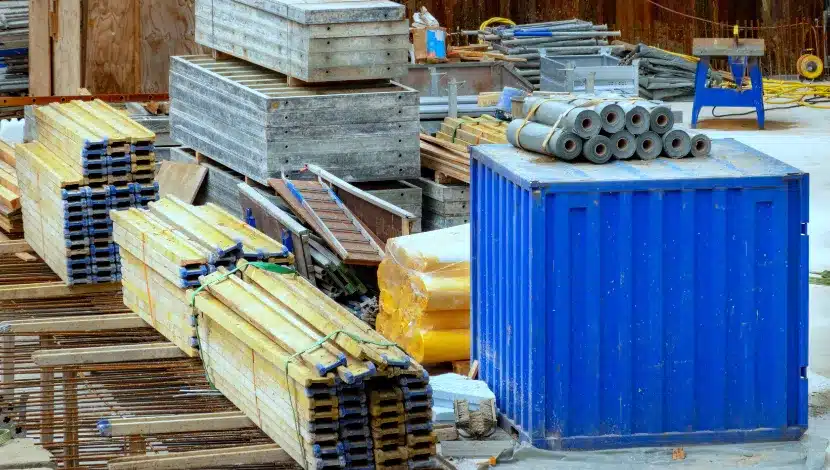
Material cost forms the highest component of construction costs. Material costs differ in different parts of Texas. The prices of the same material in a given region also differ, considering its availability. Locally sourced and sustainable, cost-effective materials would greatly reduce the cost of construction.
Locally Sourced Material
The most obvious cost reduction of material is by sourcing locally. Another state that can source building materials locally is Texas. There is limestone in Central Texas and timber in East Texas. For instance, in West Texas, builders will prefer local stone and clay so that the project will not spend much on transportation from other states. It will save money, support the local economy, and reduce the project’s carbon footprint. Sustainable material
Sustainable and Recycled Materials
They are now the trending direction in construction. Apart from making it very affordable in most cases, the environmental aspect is due to the cost factor, as most recycled materials cost pennies compared to new materials with the same durability and function. Materials that might be recycled include reclaimed wood, recycled steel, and even repurposed concrete that can be used for structural components and finishes.
This energy-saving material would be ICFs or SIPs because of the probable long-term savings achieved because of energy usage. This material would come with a high cost, but the savings it would confer in heating and cooling could be worth its price, considering that Texas is hot enough.
Bulk Purchasing
This guarantees more savings, particularly on bigger projects, because purchases in bulk save tremendous sums of money. The deliveries may often be staggered, and prices could sometimes be lower on such deals due to projects executed continuously with the same suppliers. Electronic procurement websites on which contractors can compare prices from multiple suppliers are also growing in popularity for the best value for their money in lumber to concrete.
Labor Optimization
Labor is one of the most costly components in construction. Effective labor management will ensure a project remains within budget. Lowering wages seems to be one of the easy ways to cut costs; however, spending time recruiting skilled workers and achieving optimal productivity in the workforce can benefit more in the long run.
Invest in Skilled Labor
One of the best ways to reduce project costs is by selecting experienced and competent labor. Though it looks expensive at first, professional working people are most productive and show fewer errors while working, as it reflects lower rework levels and less or no project delay.
For instance, a good electrician or plumber who is well-informed about the local building codes and standards can complete the work much faster and with fewer errors than a less skilled worker. This eventually results in fewer costly revisions or rework at the end of the project.
Good Labor Management
Technology also enhances the labor management of construction projects by a considerable percentage. Construction management software and site tracking platforms enable the tracking of employee productivity hours and the making of life adjustments.
Other applications of such technology, such as using drones to scan sites for surveying purposes, augmented reality in the visualization of design, and robotics in repetitive tasks, reduce labor costs since they automate some jobs, thus ensuring accuracy and efficiency.
Estimation and Material Takeoff
Having more accurate estimates about the project saves money on overall cost. Material takeoff cost estimates seem unavoidable, especially as prices for material and labor range widely in areas like Texas, to avoid nasty surprises when the project might still be under construction.
Importance of Material Takeoff Texas
Material takeoff is a very important first step in the cost estimation process. This will involve the computation of the exact materials required for a project. An accurate material takeoff prevents over-ordering and under-ordering, reduces waste, and ensures no money is spent on surplus materials.
Project sizes can vary from a single residential home in Austin to a large commercial development in Houston, Texas. Local estimators can give detailed construction material costs, and specific Texas construction codes can be beneficial. A professional Texas material takeoff service would ensure efficient and cost-effective material purchases for the contractor without resulting in unnecessary spending.
Digital Estimation Tools
Bluebeam or PlanSwift are the newest technologies by which Texas contractors can measure accurately using digital blueprints and provide material counts without any human interference. This saves more time and labor cost money. Fast material quantity estimation also helps to control budgets much better since unnecessary expenses are limited.
Project Management and Planning
Proper project management will ensure that work is completed on time, materials are ordered and delivered efficiently, and workers are used effectively. For Texas, projects vary from the simplest to the most complex. Proper planning would mean the difference between staying within budget and exceeding it. Planning through professional estimating services can help identify potential cost savings areas such as waste reduction or smart material selection.
Comprehensive Project Plan
A comprehensive project plan with specific milestones and budgets can keep construction on track. In Texas, where the timely construction of projects can often be slowed by the weather or by local regulations and potential supply chain holdups, this solid plan may be useful in minimizing risk and preventing the unanticipated occurrence of problems that will result in expensive delays.
Benefits of the Estimator in Texas
Working with estimators from Texas gives a great advantage in knowledge of local material costs, labor rates, and building codes. They can provide a very accurate price breakdown and suggest alternatives if necessary. This service ensures that the project will comply with local regulations and not incur costly fines or penalties.
Negotiation with Contractor and Subcontractor
In Texas, proposals are very competitive; therefore, one must have several competitive bids from many contractors. A comparison of prices against services will help you conclude which contractor is the best offered at the appropriate price. Other benefits include offering volume discounts on labor or securing fixed-price agreements for the labor of more expensive tasks.
Long-Term Relationship
Another approach in booming markets such as Texas is the establishment of long-term relations with reliable contractors and subcontractors because it would provide better pricing and easier negotiation. Loyalty discounts or priority services, therefore, mean cost savings, which are supplied through established relationships.
Cross Training Workers
Cross-training employees or subcontractors to perform various works, such as a carpenter certified to install drywall, can help conserve crew time and labor costs. Many construction workers in Texas are multi-skilled; hence, cross-training is conspicuous and inexpensive.
Technological Innovation
Technology has become crucial to construction cost-cutting, especially in the expanding Texas construction market.
Drones
They are experienced in surveying and mapping your project site, making manual surveys cheaper. They also provide real-time reports on your projects’ progress. They also have experience inspecting inaccessible areas, reducing labor costs associated with inspection.
3D printing
The construction materials or whole building parts, where the demand is very high, would be constructed easily in Texas through 3D printing to save much money on the material and the laborers.
Saving Money with Sustainable Solutions
Sustainability is environmentally friendly and money-friendly. It’s great behavior. The energy consumption rate is too high in Texas, and water sources are limited, which means sustainability helps to save nowadays and in the future.
Solar Solution
Texas is sunny, so people here demand the most about solar power. From a house to a commercial building, it’s a great chance to reduce energy bills after several years and give tax benefits.
Water Conversation
Texas is prone to drought, and water conservation is an important aspect of residential and commercial buildings. Water-saving features such as rainwater harvesting systems or low-flow fixtures can reduce operational costs while contributing to sustainability goals.
Efficient Insulation
High-quality insulation, like spray foam or cellulose, helps to minimize heating and cooling costs, mainly in Texas’s scorching climate. Premium insulation may cost more upfront, but it reduces operating costs.
Conclusion
Reducing construction costs in Texas should be holistic and address the issue from design up to post-construction. Applying principles of lean design, prudent use of materials, optimizing labor efficiency, and providing sustainable solutions assist developers and contractors in cutting through their overall construction expenses while producing great quality efficient buildings.
These practices will form the foundation for maintaining competitive advantage, responding to growing demand, and providing value to stakeholders throughout the state as the construction industry in Texas continues to expand. As cost-related challenges increase, staying ahead in an increasingly competitive market will guarantee the success of builders’ projects by adopting these practices.
Recent Post
-
How Much Does It Cost to Build a 2,000 Sq Ft House in Texas?
Building a house is often one of the most significant investments a person can make. For those planning to construct a 2,000 sq. ft. on average, the cost to build…
-
How Much Do Civil Engineers Make in Texas?
With the rapid development of infrastructure and construction in Texas, the demand for skilled civil engineers is always high. The average salary range is usually between $75,000 and $125,000 annually. However, this…
-
Average Cost Per Square Foot to Build a House in Texas
The average cost per square foot to build a home in Texas is between $100 to $150 per square foot for standard construction. Assuming standard finishes and simple design, this would bring…