
Is The Great Wall Of Texas Artificial or Natural
Last Updated:October 2, 2025

The Great Wall of Texas is an impressive and dramatic rock structure sprawling across the desert wastes of West Texas. Its towering cliffs and long, straight ridgelines make it easy to imagine that it might be an artificial construction, but is purely naturally constructed. This fantastic formation, popularly known as the Llano Uplift Escarpment, is a geological wonder that grew over millions of years; no human formation was involved in constructing it. Instead, the complex natural processes of tectonic shifts, erosion, and sediment deposition brought about the Great Wall of Texas.
What is the Great Wall of Texas?
Instead of one single, massive structure, the great of Texas refers to a series of towering cliffs and ridges, most famously along the Pecos River. The cliffs dramatically rise, creating the illusion of a vast barrier or wall. Limestone and sandstone make up much of these formations, giving them a rugged, imposing look. Albeit artificial in appearance, they owe their very existence to nature’s geological processes.
Formed about 100 million years ago, during the Cretaceous period, the area that was to be known as the Great Wall of Texas was covered by a shallow inland sea. As the water of that sea slowly receded, it caused displacement of the land, and sedimentary layers began to rise towards the top, forming what we know today as the escarpment. With time, forces such as wind, water, and river erosion sculpted the walls to become sharp cliffs, almost like some ancient civilization constructed them.
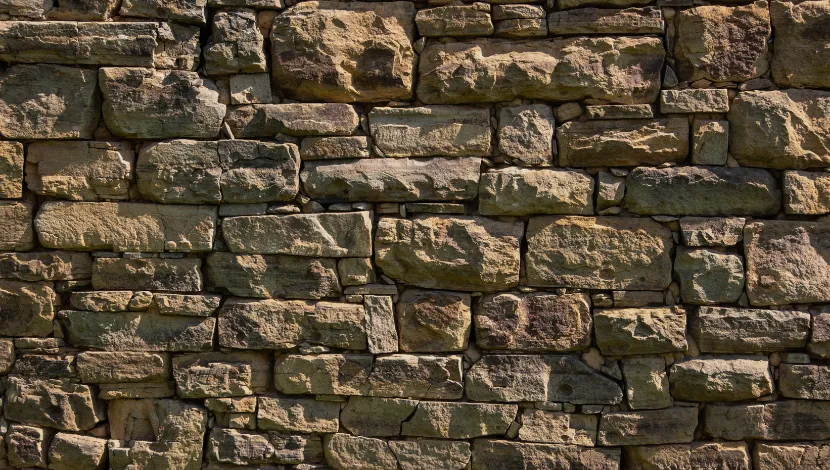
The Geological Truth: Natural Forces at Work
While the Great Wall of China was an ambitious endeavor involving sheer human muscle, the Great Wall of Texas is an outcrop of millions of years of geological processes. All these natural forces of erosion, tectonic shifts, and weathering have molded this magnificent feature.
Geological Origins
Millions of years ago, the location of the Great Wall of Texas was submerged by an inland sea. When this sea drained off, it left layers of sedimentary rocks like limestone and sandstone. These rocky layers slowly began to compress and harden into rock formations. When the land surface rose due to tectonic shifts, these exposed rocks were the foundation for the towering cliffs we see today.
Erosion; Natural Sculptor
The Pecos River carved out the Great Wall of Texas. Its water skimmed away the limestone and sandstone over thousands of years, cutting deep into the rock to form jagged cliffs. The west Texas climate, characterized by intense heat, wind, and infrequent rain, worked further on the weathering of those rocks, creating sharp, dramatic ridges on the edges. All of this is without a single stone laid by human hands.
The Illusion Of Building
The size and uniformity of the Great Wall of Texas would quickly leave one thinking it is an artificial structure. Large cliffs, running in parallel lines, dominating the landscape, all point to an intentional and purposeful building. “Wall is merely the result of specific geological processes that created these formations.
For modern construction projects inspired by such grand scales, relying on Texas cost estimation ensures precise planning and cost management tailored to the region’s unique requirement
Historic Importance Of The Wall
Not precisely an artificial structure, the Great Wall of Texas carries historical significance. Indigenous peoples and settlers used the cliffs for practical purposes, such as navigation and protection against beasts. This natural barrier helped people find shelter from the elements and marked the location for travelers crossing the harsh West Texas terrain. Although humans did not build it, this structure’s strategic and significant importance must be accepted.
A Symbol Of Natural Engineering
The Great Wall is an example of the power of natural forces that have shaped the landscape for millions of years. It’s a prime example of nature’s engineering. It is not necessarily the product of human design, but it is no less impressive. The natural features that make up the wall remind us of the power and beauty of the natural world: the sharp cliffs, the layered rocks, and the vast scale.
Conclusion
It’s a marvelous wonder of nature, sculpted by the hand of nature over millennia. Although it may look like some tremendous manufactured wall, it results from tectonic shifts, erosion, and the relentless forces of weathering. The Great Wall of Texas testifies to the power and beauty of the natural world; it is a place that the historian, by nature and history enthusiast, cannot miss visiting. Be it for any reason, such as a natural wonder or a historical part of Texas, there is no doubt in its sheer splendor.
Recent Post
-
How Much Does It Cost to Build a 2,000 Sq Ft House in Texas?
Building a house is often one of the most significant investments a person can make. For those planning to construct a 2,000 sq. ft. on average, the cost to build…
-
How Much Do Civil Engineers Make in Texas?
With the rapid development of infrastructure and construction in Texas, the demand for skilled civil engineers is always high. The average salary range is usually between $75,000 and $125,000 annually. However, this…
-
Average Cost Per Square Foot to Build a House in Texas
The average cost per square foot to build a home in Texas is between $100 to $150 per square foot for standard construction. Assuming standard finishes and simple design, this would bring…