What Types of Siding Work Best for Texas Commercial Buildings?
Last Updated:April 30, 2026
Texas is known for extreme weather, hot temperatures, stormy storms, and varied climates that require siding to make a building’s curb appeal shine and withstand every condition. When it is a commercial building, the right siding matters for durability, energy efficiency, and a professional finish. Whether it be the tough fiber cement, the attractive metal finish, or the classic appeal of brick, the perfect siding will make your building more resistant to damage and energy consumption.
Metal Siding
Metal siding is among the highly preferred materials for commercial buildings in Texas. This material is durable and can withstand various environmental conditions. In Texas, metal siding works perfectly for industrial warehouses, manufacturing plants, and office buildings since it can withstand severe winds, hailstorms, and extreme heat.
Optimal usage in Texas
Metal siding is also ideal for warehouses, industrial buildings, retail centers, and other commercial properties because it can easily be designed with functionality in mind. Additionally, a business that may be based in an area prone to storms or high winds would benefit greatly because metal can withstand such harsh weather.
Benefits
Durability: Metal siding resists corrosion, moisture, and bugs. This is important in Texas since it has humidity and rain, which may damage your siding over time.
Wind Resistance: Texas experiences major storms and tornadoes. Metal siding is highly resistant to winds and is the right choice for commercial buildings, as it can protect against flying debris and strong winds.
Fire Resistance: Since metal does not catch fire, this means extra protection for commercial buildings in regions with high wildfire risks.
Low Maintenance: Metal siding needs less maintenance. It is simple to clean and maintain, and unlike wood, it doesn’t rot, warp, or attract insects
Eco-Friendly: Most manufacturers use recycled aluminum or steel, which attracts companies seeking sustainability and LEED certifications.
Stuccos Siding
Another product in demand for Texas commercial structures is stucco, especially in the southwest parts, where the architectural designs are Spanish and Mediterranean. This is essentially cement, sand, and water.
Well Suited for Texas
Among the exterior types suitable for commercial buildings in Texas with Southwestern or Mediterranean architectural influences, stucco is one of the most appropriate. Restaurants, hotels, office buildings, and retail shops often have stucco, giving them a different old-world look. However, it does not suit buildings placed in high-rainfall regions and areas with high humidity unless special attention is given to sealing and maintaining it.
Benefits
Heat Resistance: Stucco is highly efficient in keeping buildings warm. Its thickness keeps the interior cool and prevents the sun from reaching the building, making it ideal for Texas heat.
Energy Efficiency: Stucco siding will help cut energy costs because the temperature inside the house will be stable. This becomes very important in Texas’s hot climate.
Aesthetic Versatility: Stucco affords flexibility in design choices, can be smooth to very textured, and comes in a palette of colors. This makes it highly suitable for use in many different styles of architecture.
Fire-resistant: Like metal siding, stucco is noncombustible, which would add fire safety in a commercial building.
Brick Veneer Siding
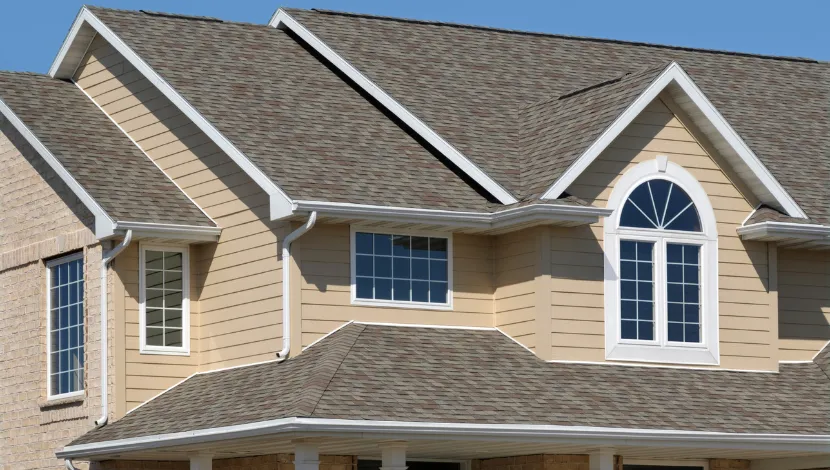
Brick siding is among the most traditional and longstanding siding for a Texas commercial building. Its main attributes are a classic look and long life, which appeal to businesses that want to project a strong, stable, and reliable image.
Ideal Use in Texas
Bricks are an excellent choice for business buildings since they have an extremely strong, classic look. They also fit law offices, banks, government buildings, and schools because such buildings try to appear reliable and respectable. Their durability and good thermal properties make them suitable for large commercial or educational buildings where energy efficiency has to be met.
Benefits
Durability and Longevity: When properly maintained, bricks will last several decades or centuries. Their resistance to rotting insects, weathering, and erosion make this material suitable for a Texas climate.
Thermal Regulation: Brick has a fantastic thermal mass that enables slow transfers of heat. Under climatic variation in Texas, brick keeps interiors cool during warm days and warmer during times of the year when it cools down, thereby lessening the need for HVAC.
Fire Resistance: These are among the safest materials and can withstand fire so that they will protect valuable assets in the commercial world.
Aesthetic Appeal: It is a time-tested classic look that many businesses will love. Its versatility will complement many architectural styles, from the traditional to the contemporary.
Vinyl Siding
Vinyl siding is one of the cheapest, low-maintenance products, and it has become very popular in residential and commercial buildings. Vinyl siding comes in several different colors and styles and can have the look of wood tones or other materials, providing an option to have varied designs.
Idea Application in Texas
Vinyl siding is much better suited for commercial structures where aesthetics are not a priority, but affordability is. It is perfect for small retail stores, strip malls, and office buildings with little aesthetic appeal. Its low cost and maintenance make it very popular among cost-conscious businesses or those in the suburbs.
Advantages
Weather Resistance: High-quality vinyl contains UV inhibitors, which minimize fading and cracking from Texas’s intense sun.
Customization: Vinyl comes in a very wide variety of textures and colors. So, an almost customizable look can be achieved, ranging from a rustic wood finish to modern, sleek designs.
Fiber Cement Siding
It is the sturdiest and most flexible type used for Texas’s commercial construction. It is prepared using sand, cellulose fibers, and cement, and its major strength lies in its imperiousness to the extreme heat and moisture that Texas weather conditions impose.
Optimal Usage
Fiber cement is strong and aesthetically versatile when the requirement for commercial durability dictates. It would have been selected for areas prone to ravenous storms or wildfires. Fiber cement can be found in buildings, stores, and even schools.
Benefit
Weather Resistance: Summers in Texas can reach well above 100°F, and heavy storms can have winds that gust over 100 mph. Fibers are very resistant to the elements; they do not crack or warp when the temperature or wind pressure increases.
Fire Resistance: Because of the dry season, fires are possible in areas of Texas. Non-flammable materials, such as fiber cement, will improve the safety of buildings, which means businesses will have fewer insurance costs.
Aesthetic Flexibility: The business owner can use finishes that look like the best grades of stone or wood to maintain the look without the headache.
Wood Siding
Wood siding is often chosen for its classic and timeless appearance. It evokes natural, rustic beauty in a commercial building. Wood has been used for hundreds of years in construction. It opts for some reason, be it the natural beauty it brings about or its versatility or insulation property. This is very popular for homes and commercial structures.
Best for
Natural wood is the best for commercial buildings in Texas if they want to be rustic. It can fit into cafés, boutiques, or galleries, especially in temperate regions or areas that could allow them to spend for its regular maintenance.
Benefits
Beauty factor: the natural warmth of wood enhanced curb appeal and welcomed as a unique atmosphere for customers inside
Sustainability: With an increasing focus on green building, responsible sourcing of wood is a sustainable and eco-friendly option for branding.
For contractors, choosing the right materials for a project is essential to its completion. Therefore, it’s advisable to get an accurate Texas project projection that includes material cognates, valid estimation of labor, and other environmental factors. This ensures that your planning is comprehensive and tailored to the requirements of your building project.
Conclusion
While selecting the sidings for commercial structures in Texas, the surrounding environment, intent, and even the region’s aesthetic are key considerations. In addition to these, there are many more benefits associated with fiber cement, metal, brick, vinyl, stucco, wood, stone veneer, and engineered wood, thereby providing for diverse requirements and tastes. With detailed studies on building requirements, climatic conditions in their vicinity, and budget, business house owners can opt for suitable sidings to add the right long-term performance to the curb appeal. Their spaces’ aesthetic values, strength, or energy efficiency will come with myriad choices for creating efficient yet great-looking Texas-based commercial spaces.
Recent Post
-
How Much Does It Cost to Build a 2,000 Sq Ft House in Texas?
Building a house is often one of the most significant investments a person can make. For those planning to construct a 2,000 sq. ft. on average, the cost to build…
-
How Much Do Civil Engineers Make in Texas?
With the rapid development of infrastructure and construction in Texas, the demand for skilled civil engineers is always high. The average salary range is usually between $75,000 and $125,000 annually. However, this…
-
Average Cost Per Square Foot to Build a House in Texas
The average cost per square foot to build a home in Texas is between $100 to $150 per square foot for standard construction. Assuming standard finishes and simple design, this would bring…